Seasonal Foods: Winter

Winter is a well-deserved respite for many farmers, yet it holds just as much delicious produce as the rest of the seasons.
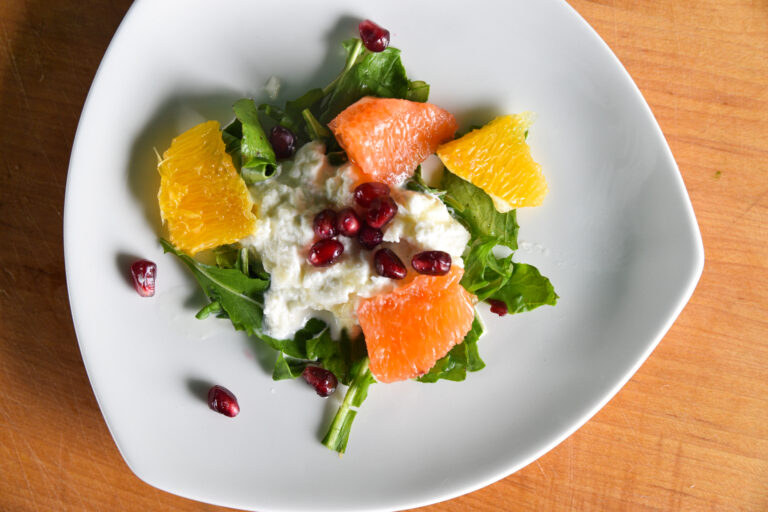
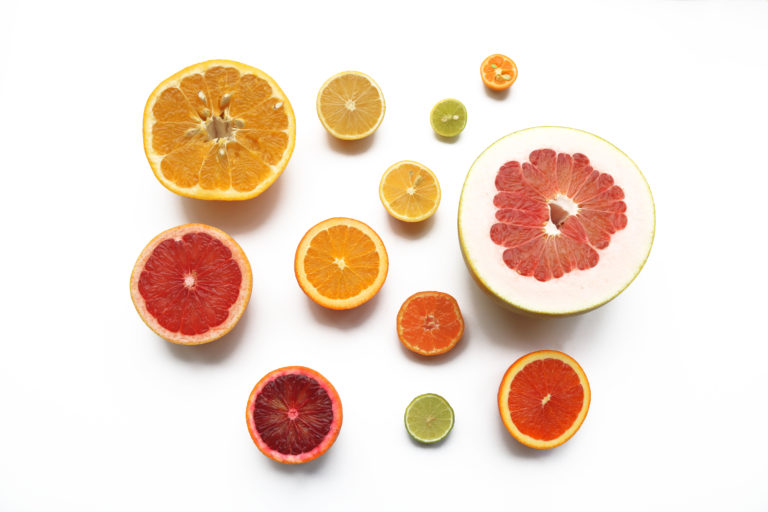
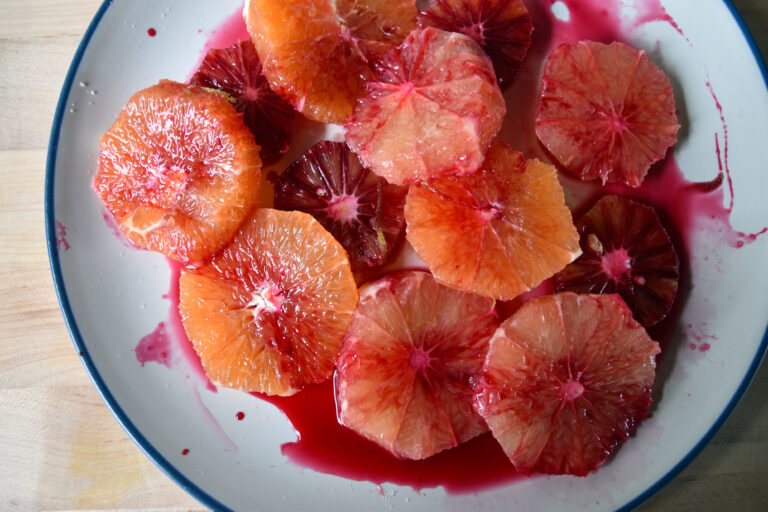
Citrus in the form of kumquats, grapefruits, lemons, mandarins, and navel oranges dominate the fruit scene; supplemented by subtropical fruits from Southern California, like cherimoya, white guava, and kiwi. Though apples and Asian pears are no longer in their harvest season, they are available through winter thanks to cold storage. And of course, vendors will have dried versions of your favorite summer produce available year round.
Root vegetables like carrots, turnips, and rutabagas turn sweeter as the cold weather encourages starch to convert to sugar. Roast them up with winter squash or potatoes, which should also be available through the winter via cold storage.
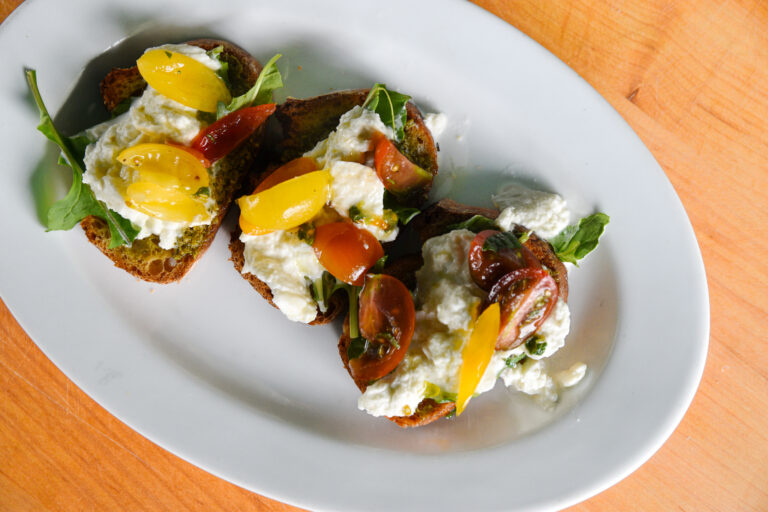
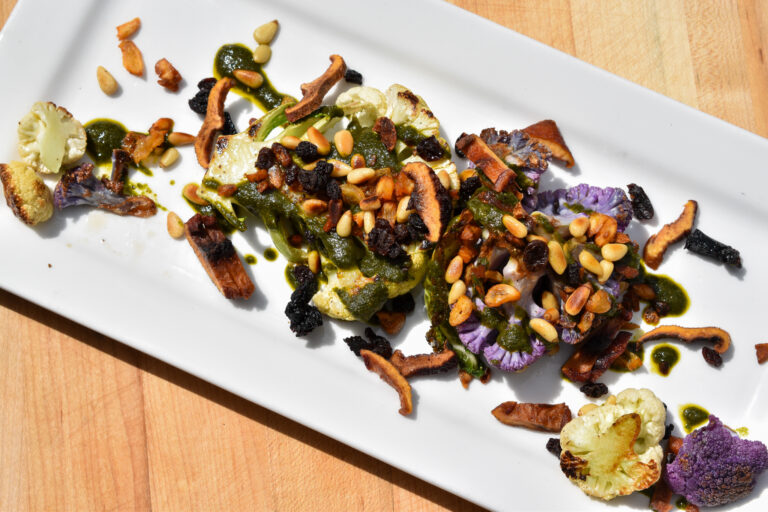
Cruciferous crops such as cauliflower, kohlrabi, romanesco, broccoli, and collards, thrive in the cool, wet, Californian winter, and are plentiful throughout the season. Leafy salad greens, chicory, and arugula are milder in the winter months, and asparagus begins its run in the market by mid-February.
Dungeness crab should still be available, but in limited quantities depending on how long the catch lasts. Eggs will be available throughout the season, but pastured hens lay fewer during the shorter days. Milk production also slows, so some vendors may not be at the market, though the aged cheese selection will still be diverse.
Bulb flowers will begin to bloom in January – look for narcissus, daffodils, tulips, and irises from our flower producers.
Towards the end of winter, February’s green garlic and spring onions in March will begin the market’s transition back into spring.