
Sustainability
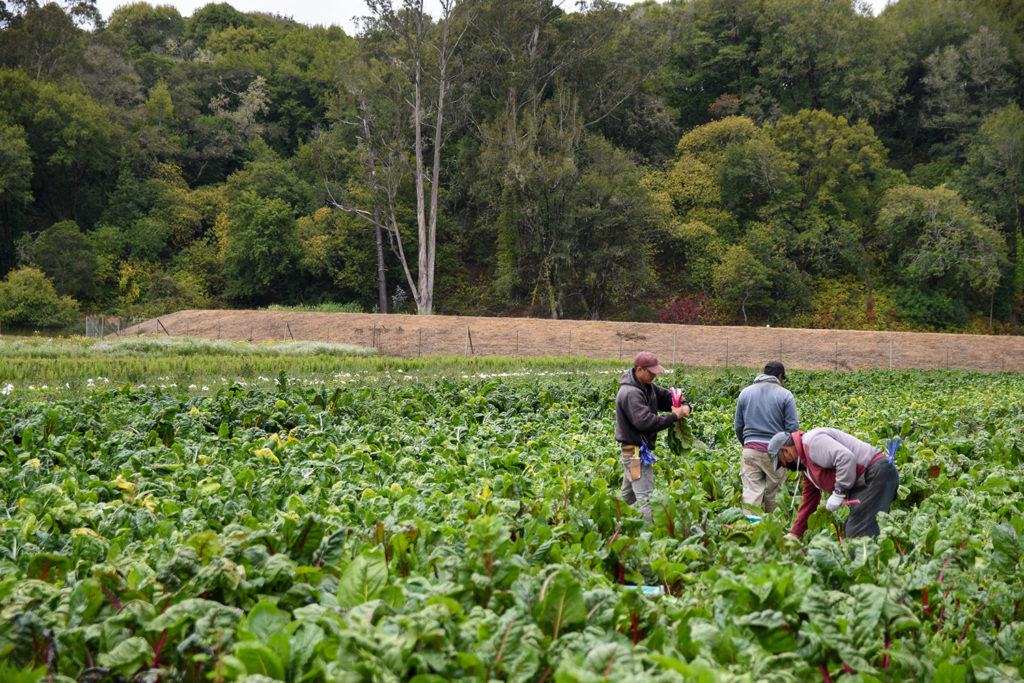
Foodwise envisions a healthy world nourished by sustainable food systems, which are better for the environment, animals, small producers, and all people. Learn more about the components of a healthy food system.
The Four Pillars of a Sustainable Food System
A food system is the interrelationship of agricultural systems, their economic, social, cultural, and technological support systems, and systems of food distribution and consumption. A sustainable food system uses practices that are environmentally sound, humane, economically viable, and socially just.
Environmentally Sound
Producers actively work to create and sustain cultivated landscapes that are complex, diverse and balanced biological systems. Producers use practices that conserve and restore resources. Learn more »
Humane
While being raised, animals are allowed to engage in the natural behaviors that are important to their wellbeing, and are harvested in ways that minimize stress to the animals and the environment. Learn more »
Economically Viable
Producers operate within a framework of sound business planning and pursue integrated and proactive approaches to marketing and sales. Learn more »
Socially Just
Producers and their employees receive fair and reasonable compensation and work in a safe and respectful environment. Learn more »
Sustainability Frameworks
These frameworks spell out our guiding principles and best practices in sustainable food production.
- See the complete Sustainability Framework for farms (PDF)
- See the complete Sustainability Framework for vendors (PDF)
Waste Wise Initiative
Starting on Earth Day 2008, more than 90% of Ferry Plaza Farmer Market’s waste changed course through the addition of composting and recycling collection. Our Waste Wise initiative is a comprehensive waste reduction program and education campaign at the farmers market.